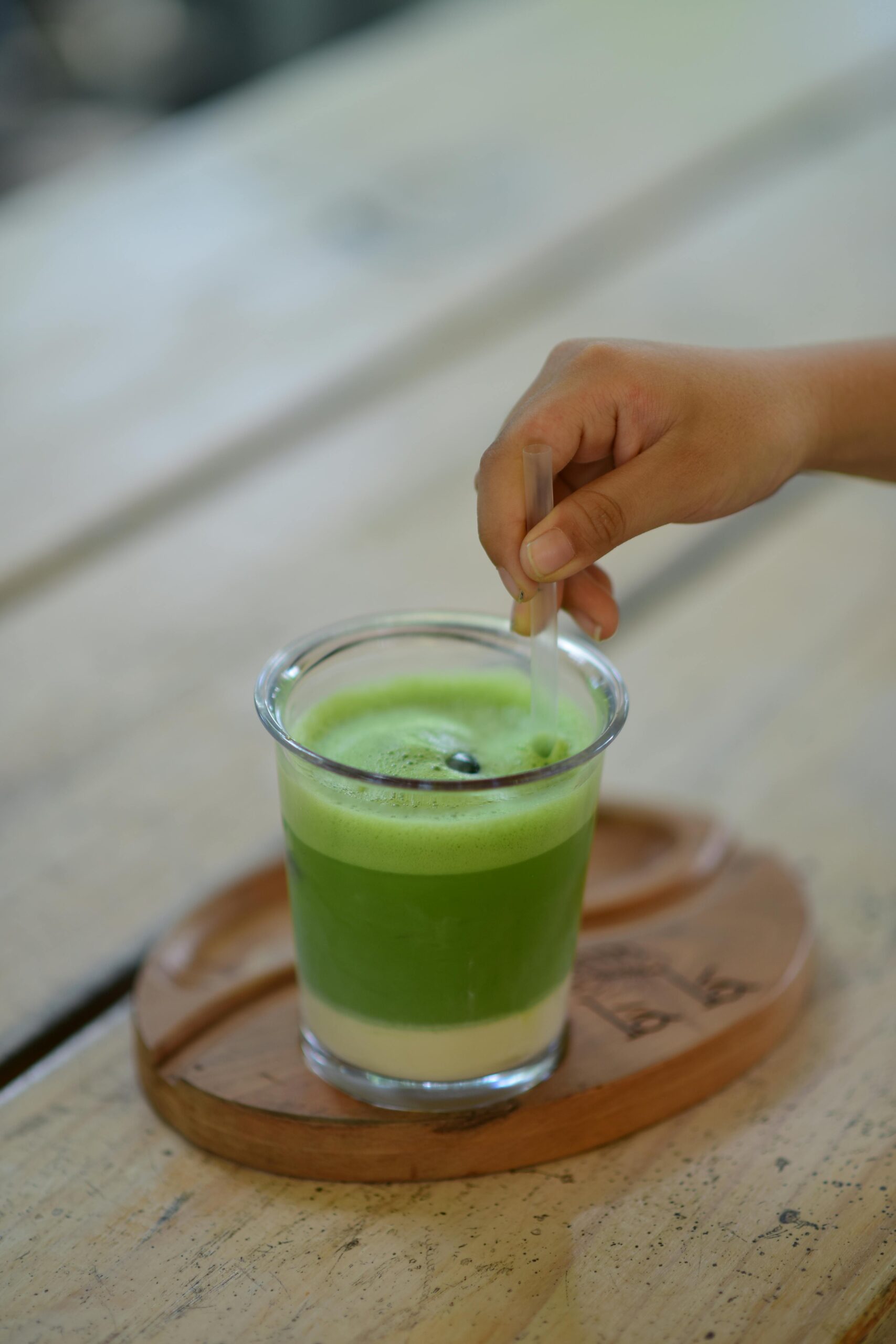
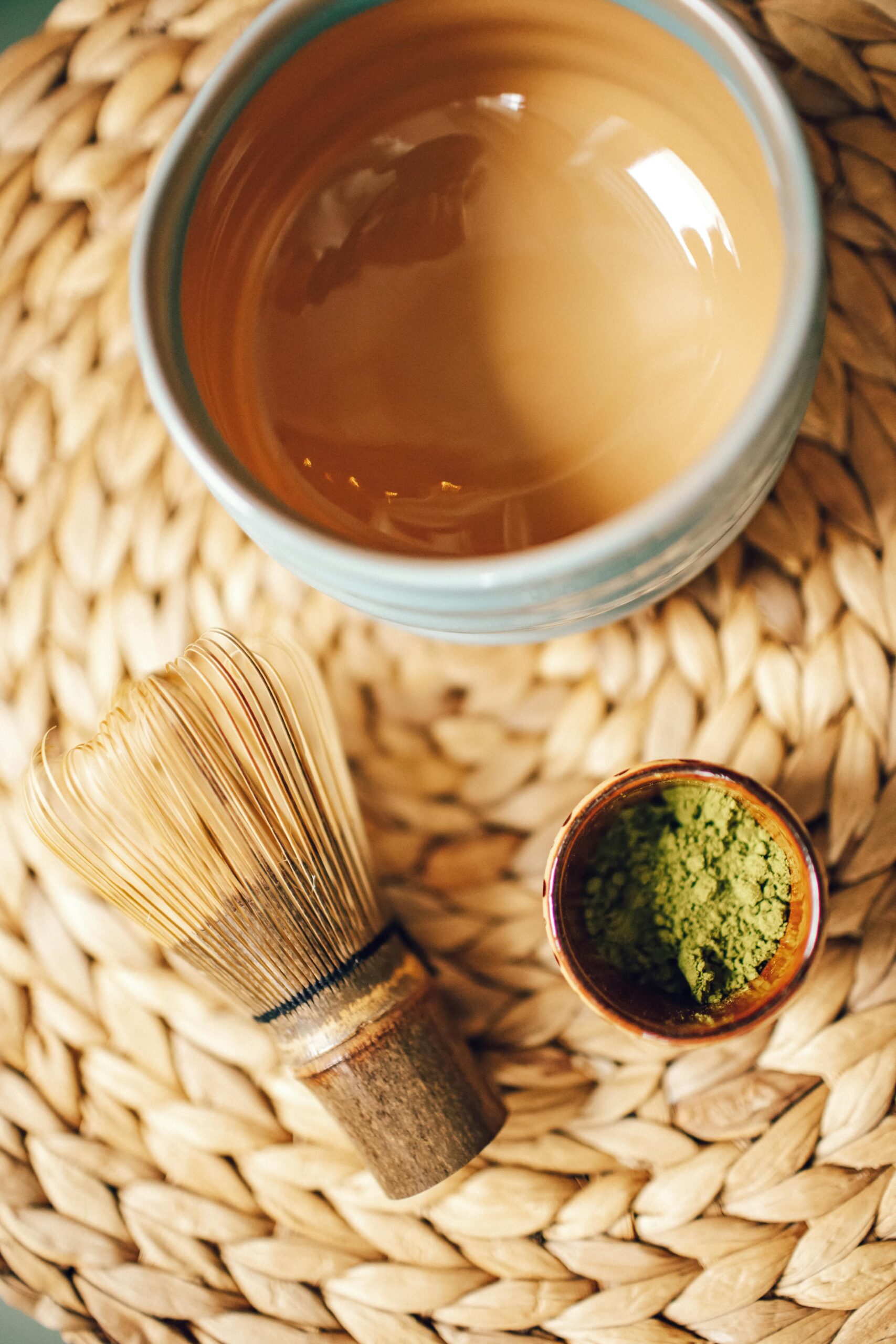
Do You Really Need a Matcha Whisk?
When you first discover matcha, it feels like a revelation: this vivid green powder that somehow tastes both grounding and uplifting, calm yet caffeinated. Then you take it home, stir it with a spoon (or worse, a fork), and suddenly you’re sipping a mug that looks like swamp runoff. Which leads to the inevitable question: do you really need one of those traditional bamboo whisks?
The short answer: no, but also yes.
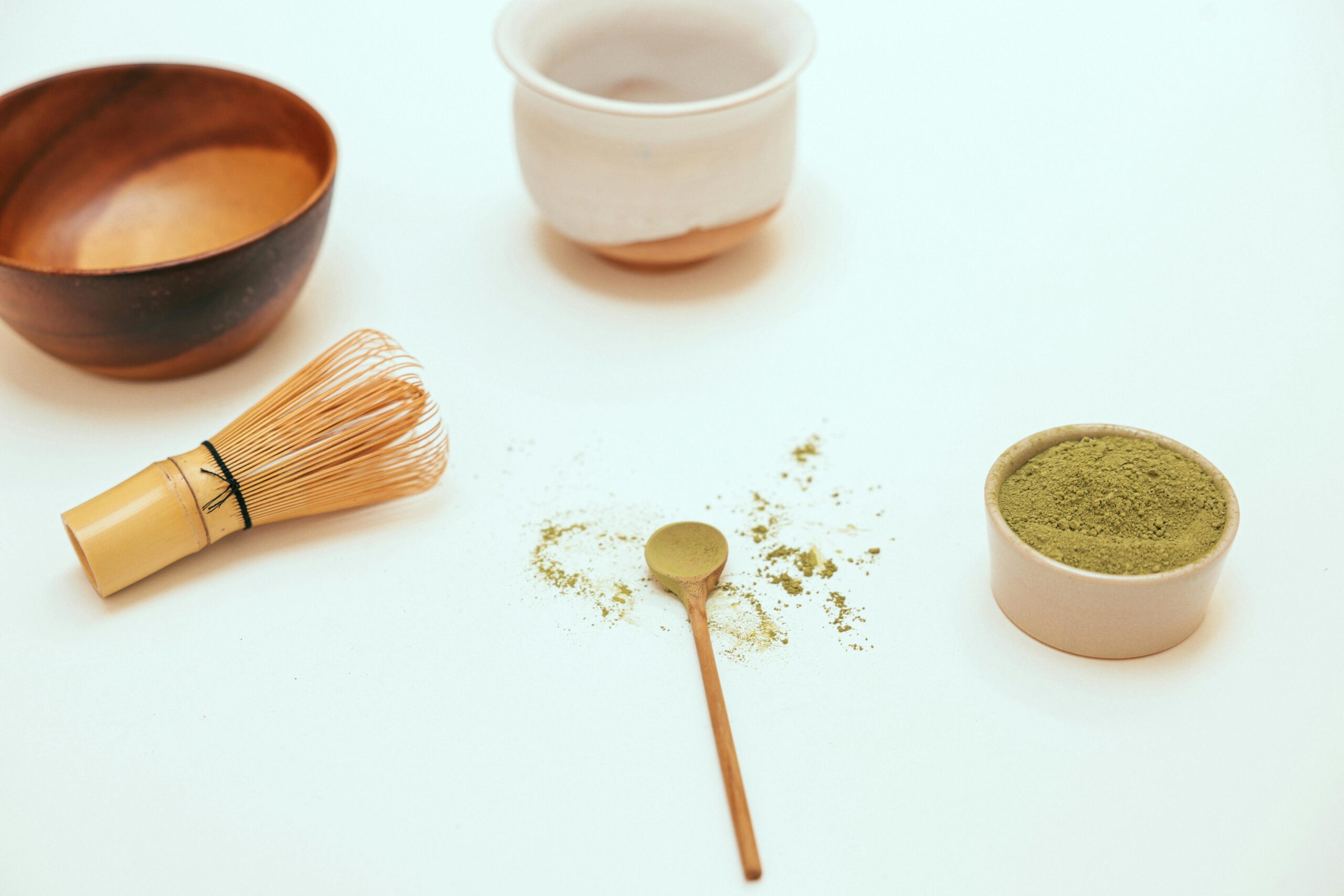
Why the Whisk Exists in the First Place
Matcha isn’t like coffee or black tea, where you brew and strain. It’s a suspension of powdered tea leaves in water. Those particles will never actually dissolve, which is why a good whisk matters: it aerates, disperses, and creates that signature microfoam that feels almost like crema on an espresso. That texture is what makes matcha feel smooth and elevated instead of grainy and half-hearted.
A fork, spoon, or even a regular metal whisk can’t really replicate this. At best, you’ll end up with lumps that stick to your teeth. At worst, you’ll conclude that matcha “just isn’t for you,” when in fact it’s your technique that betrayed you.
Can You Get Away Without One?
Absolutely. There are workarounds, some better than others:
- Milk frother: A surprisingly solid stand-in. It creates a light froth that’s different from the delicate foam of a bamboo whisk, but still pleasant. It’s also cheap, easy to clean, and doubles as a gadget for your lattes.
- Mason jar or cocktail shaker: Add matcha and water, shake like you’re trying to impress a mixologist, and you’ll get something reasonably smooth. Bonus: you look like you’re making moonshine in the kitchen.
- Blender or immersion blender: If you don’t mind hauling out appliances, this makes clump-free matcha every time. It’s louder, frothier, and a bit over the top, but it works.
- Sifting first: Regardless of method, pushing the matcha through a small kitchen sieve beforehand makes a massive difference. It breaks up the stubborn clumps that would otherwise never whisk out.
Each of these methods produces a drinkable cup, but the texture is different. Frothers and blenders lean airy and bubbly, while the bamboo whisk produces a fine-grained, silky foam that just feels… intentional.
Why I Still Recommend a Whisk
If you’re making thin matcha (just water + powder, no milk or sugar), the whisk is almost non-negotiable. It’s designed to handle the small volumes and create that smooth dispersion. A frother might be “good enough,” but side by side, the difference is obvious.
If you’re making matcha lattes, you can get away with shortcuts, since the milk covers some textural sins. But here’s the thing: a whisk isn’t expensive. A starter set with a whisk and sifter costs less than a week’s worth of café matcha lattes. And it’s one of those rare kitchen tools that’s both practical and quietly meditative. A few quick wrist flicks in the morning, and you’ve earned yourself thirty seconds of calm before your kid asks where their other shoe went.
The Verdict
- If you’re dabbling: Go ahead and try a frother, blender, or mason jar. You’ll still get a good idea of what matcha tastes like.
- If you’re serious (or even just curious): Get the whisk. It’s not gatekeeping; it’s about giving the tea its best chance to shine.
Because yes, you can make matcha with a fork. But do you really want your first impression of a centuries-old tradition to be “grainy green water”?